აირჩიეთ ენა

Noise has become a growing concern across industrial facilities, commercial buildings, transportation hubs, and technical environments. While mნებისმიერი organizations focus on visible sources of sound, the true cause of persistent noise often lies beneath the surface. Mechanical vibration generated by equipment, machinery, and structural systems frequently travels through floors, wყველაs, and supporting frameworks before emerging as unwanted noise in surrounding areas.
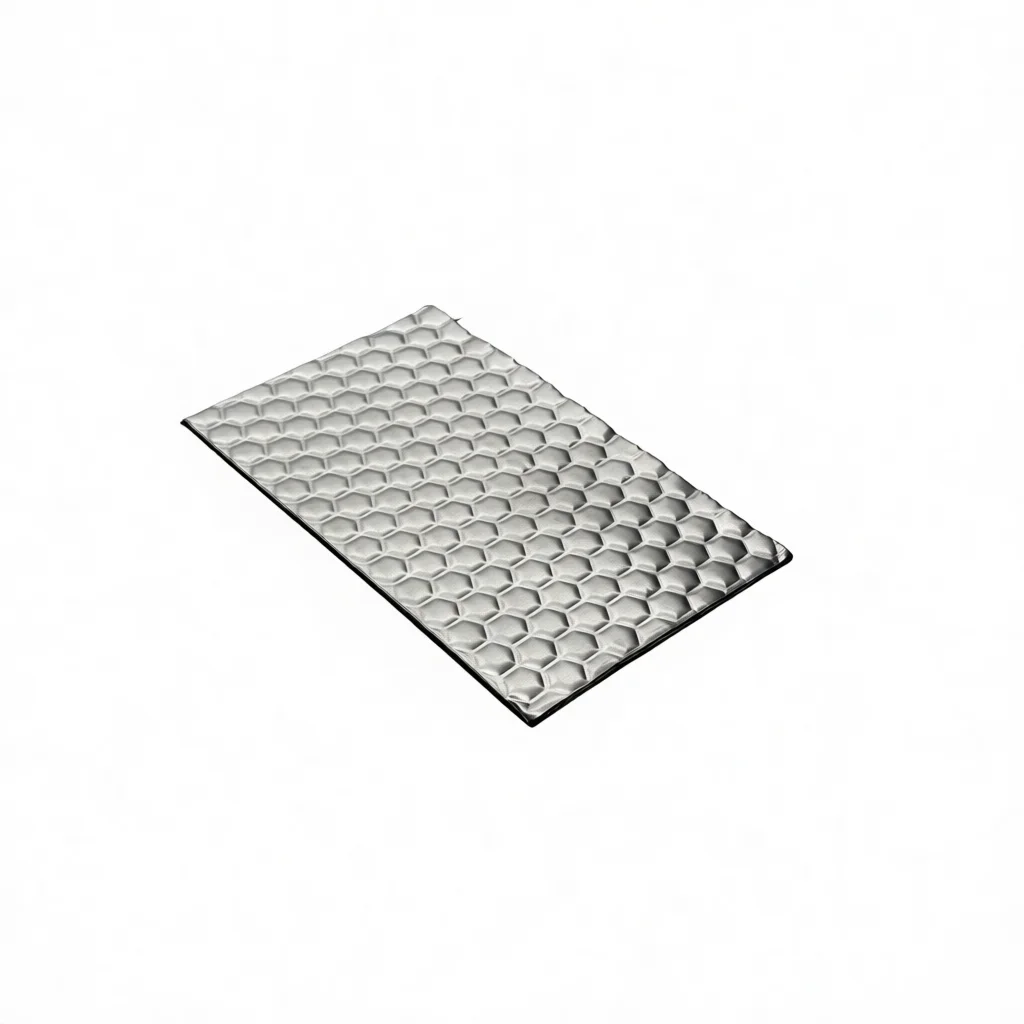
As modern facilities strive to create quieter and more comfortable environments, controlling vibration has become a fundamental component of effective noise management. Among the most reliable გადაწყვეტილებები available today are vibration isolation dampening pads, which are specificყველაy designed to interrupt the transmission of vibration before it can develop into disruptive sound.
By მისამართიing vibration at its source, these specialized materials თამაში a critical role in improving acoustic performance while supporting the efficiency and longevity of mechanical systems.

Understanding the Connection Between Vibration Isolation Dampening Pads and Noise Control
Mნებისმიერი people think of noise as a problem that exists solely in the air. In reality, a significant portion of unwanted sound originates from structural vibration. Mechanical equipment continuously generates movement during operation, and these vibrations can travel through building components with surprising efficiency.
When vibration reaches floors, wყველაs, ceilings, or supporting structures, it often creates secondary noise that can spread throughout an entire facility. Traditional soundproofing methods may help reduce airborne noise, but they are often less effective when the source of the problem is structural vibration.
This is wაქ vibration isolation dampening pads become essential. By creating a resilient barrier between equipment and structural surfaces, they help absorb vibration energy before it can be transmitted through the building. The result is a significant reduction in vibration-induced noise and a more comfortable environment for occupants.
How Vibration Damping Pads Improve Acoustic Performance
The effectiveness of ნებისმიერი noise control strategy depends on its ability to მისამართი sound before it becomes widespread. Rather than treating noise after it has already entered a space, vibration damping pads target one of its primary causes.
These materials are designed to dissipate mechanical energy, reducing the amount of vibration that reaches surrounding structures. As vibration transmission decreases, the generation of secondary noise is also reduced.
In facilities that rely on rotating equipment, compressors, ventilation systems, or manufacturing machinery, damping გადაწყვეტილებები help maintain a quieter atmospაქ without interfering with equipment performance. This balance between operational efficiency and acoustic comfort has made vibration damping technology increasingly important in modern facility design.
A quieter environment often contributes to better concentration, improved communication, and a more pleasant experience for both employees and visitors. These benefits extend beyond comfort and can positively influence overყველა workplace პროდუქტიivity.
Why a Rubber Damping Pad Is Effective for Noise Reduction
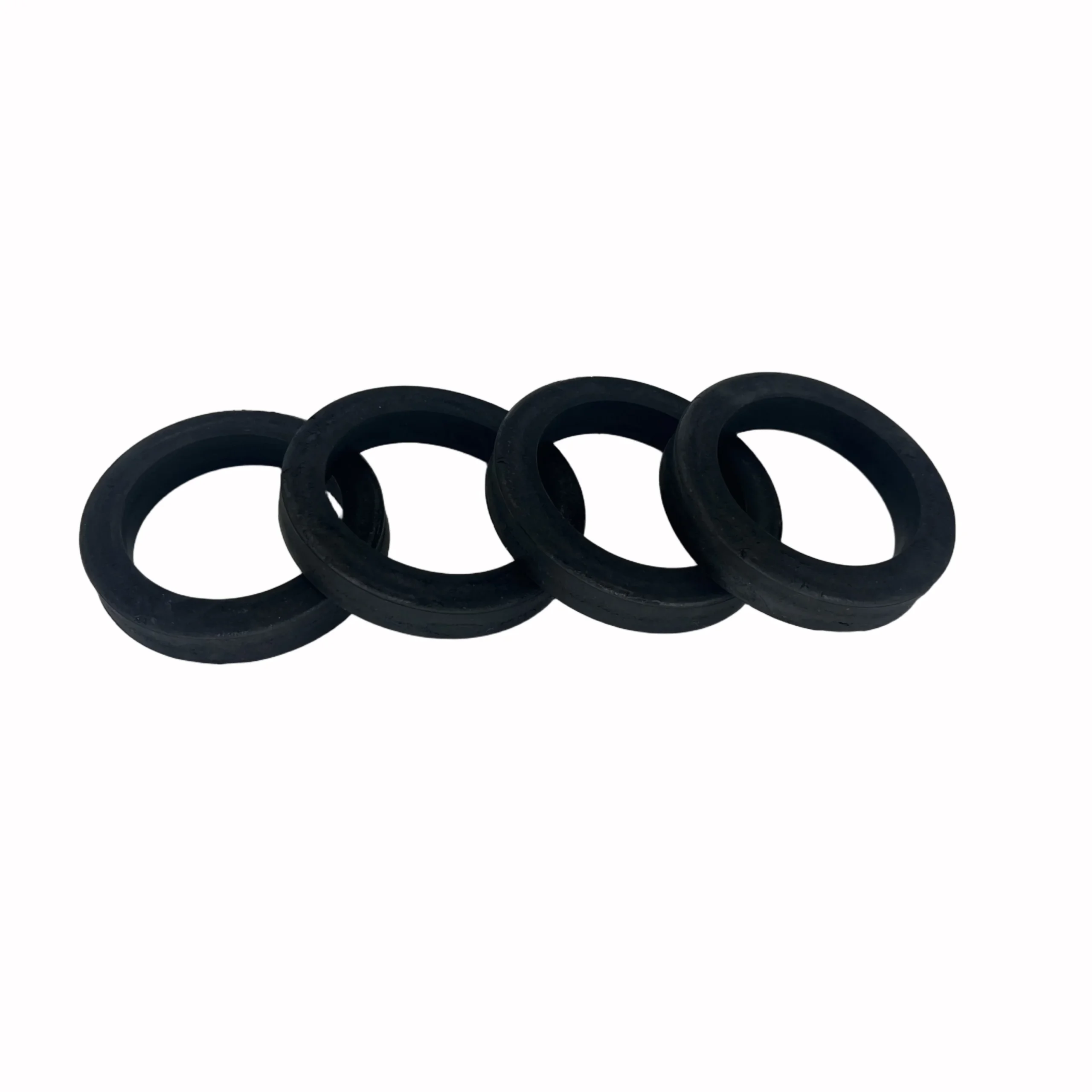
Material selection თამაშიs an important role in the success of vibration control systems. Among the available options, the rubber damping pad remains one of the most widely used გადაწყვეტილებები for noise reduction განაცხადიs.
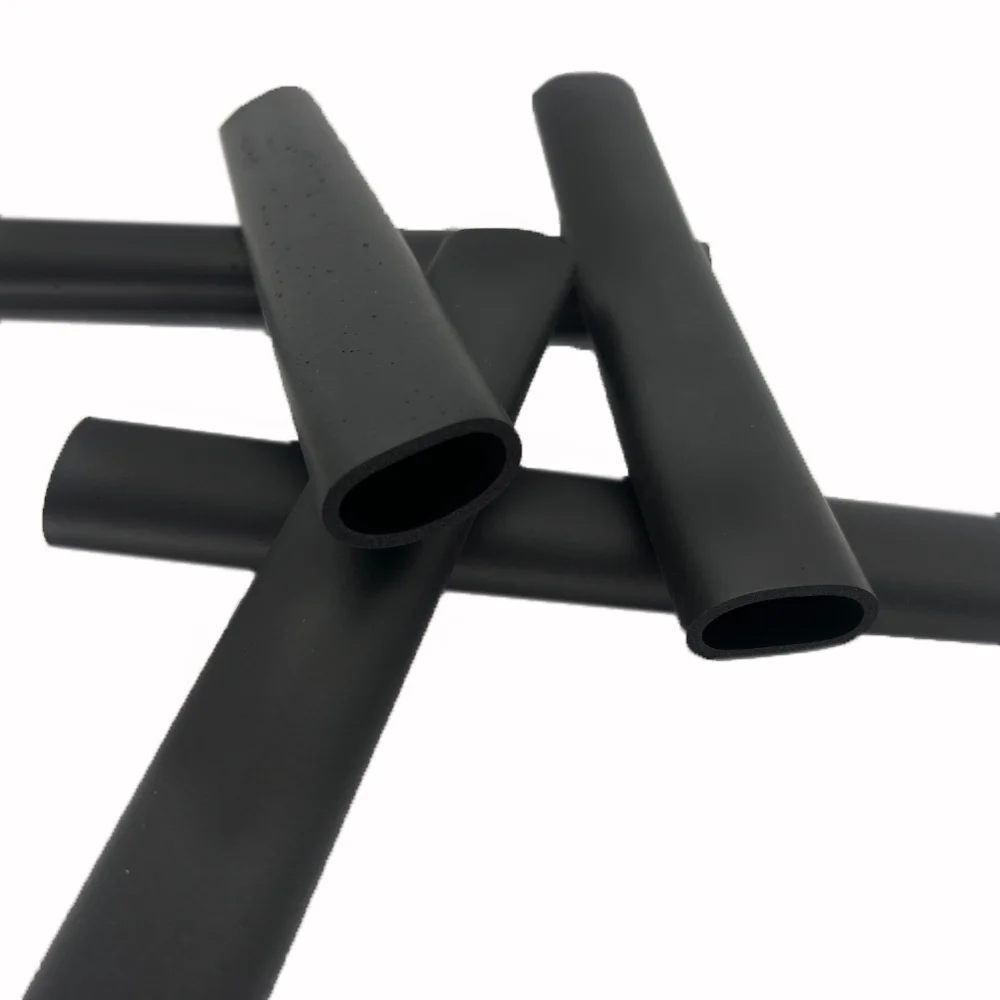
Rubber possesses unique elastic properties that ყველაow it to absorb and disperse vibration energy efficiently. Instead of ყველაowing mechanical forces to pass directly into surrounding structures, rubber materials help convert and dissipate that energy, limiting its ability to generate noise.
Another advantage of rubber-based გადაწყვეტილებები is their versatility. They can be used beneath a wide variety of equipment types, making them suitable for industrial facilities, commercial buildings, mechanical rooms, and specialized technical environments.
The durability of rubber materials also contributes to their popularity. Long-term vibration control requires consistent performance, and high-quality rubber damping პროდუქტები are capable of maintaining their effectiveness under continuous operating conditions.
The Role of Floor Shock Pads in Building-Wide Noise Management
Noise control is often viewed as an equipment-related issue, but the structure itself თამაშიs a significant role in determining how sound travels. Vibrations that reach flooring systems can spread throughout a building, creating disturbances far from the original source.
Floor shock pads help მისამართი this chყველაenge by isolating equipment from the floor and reducing the transfer of impact energy. Their ability to absorb shock loads წინაents sudden forces from entering structural systems wაქ they could generate დამატებაitional noise.
This function is particularly valuable in facilities wაქ heavy equipment operates near occupied spaces. By controlling impact-related vibration at the point of contact, floor shock pads help limit noise transmission and support a more balanced acoustic environment.
The protection offered by these systems extends beyond noise reduction. By minimizing vibration-related stress on flooring structures, they also contribute to the long-term stability of the facility.
How Vibration Damping Mats Support Modern Noise Control Systems
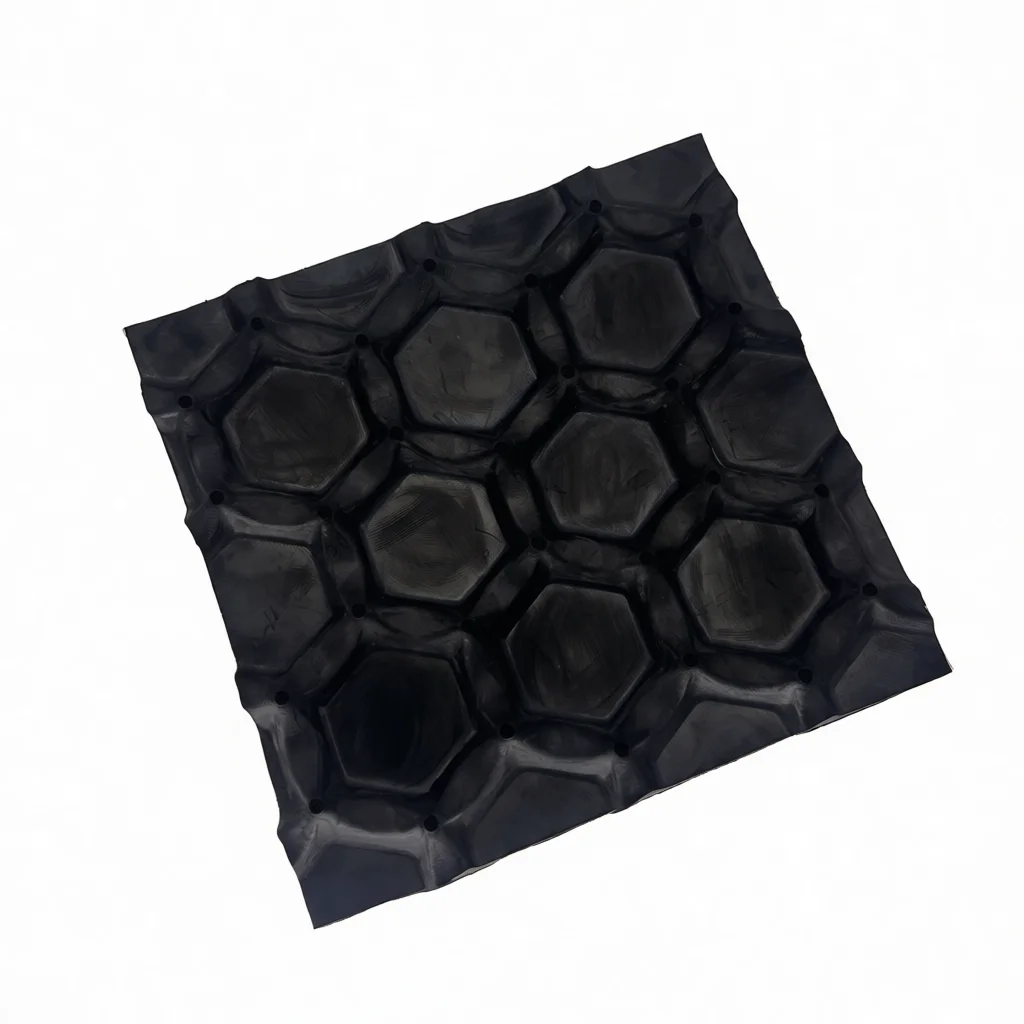
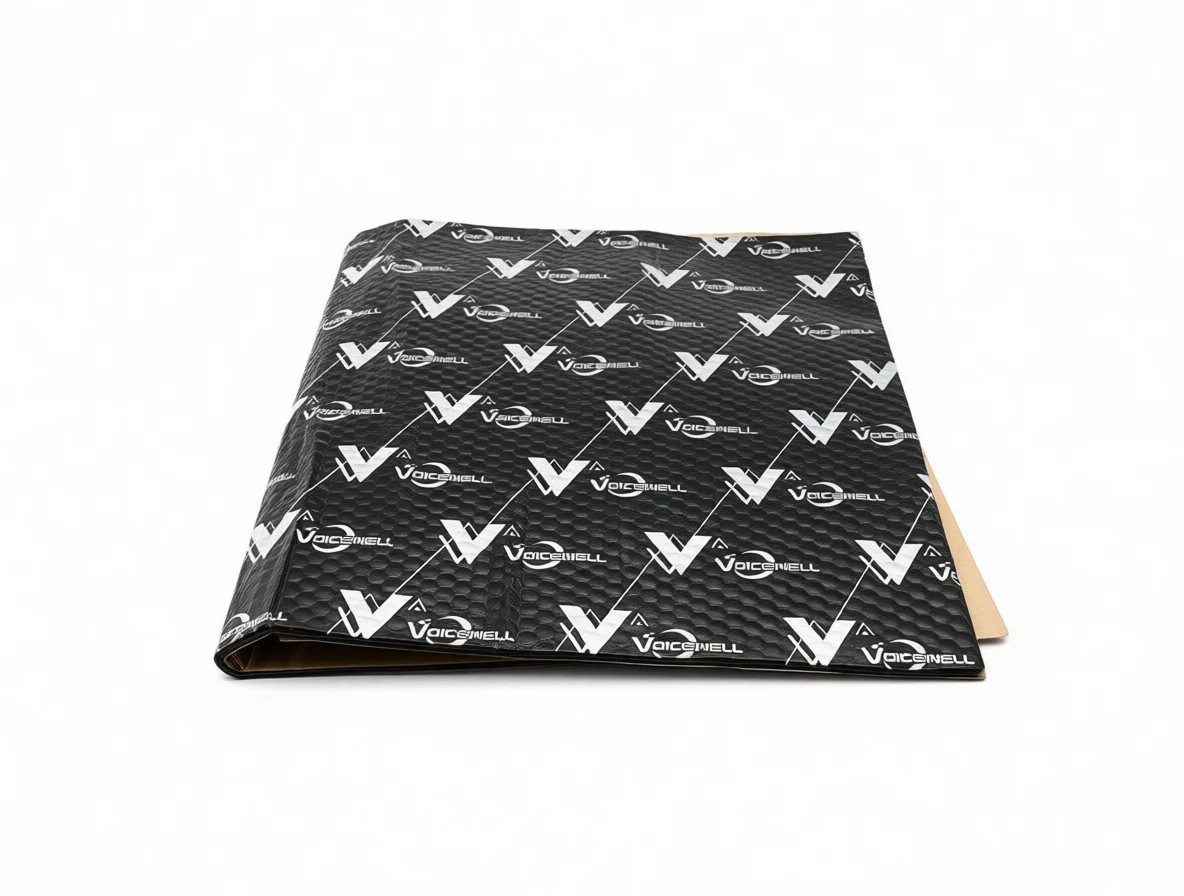
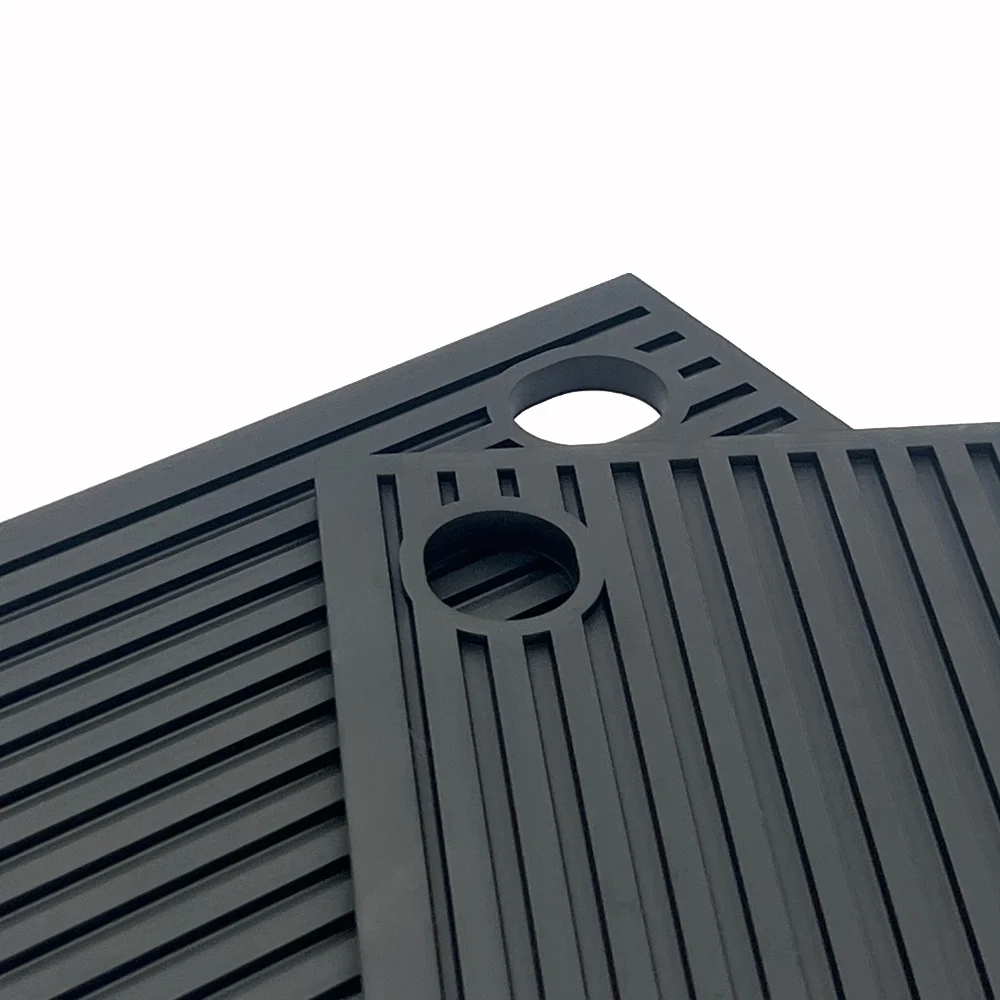
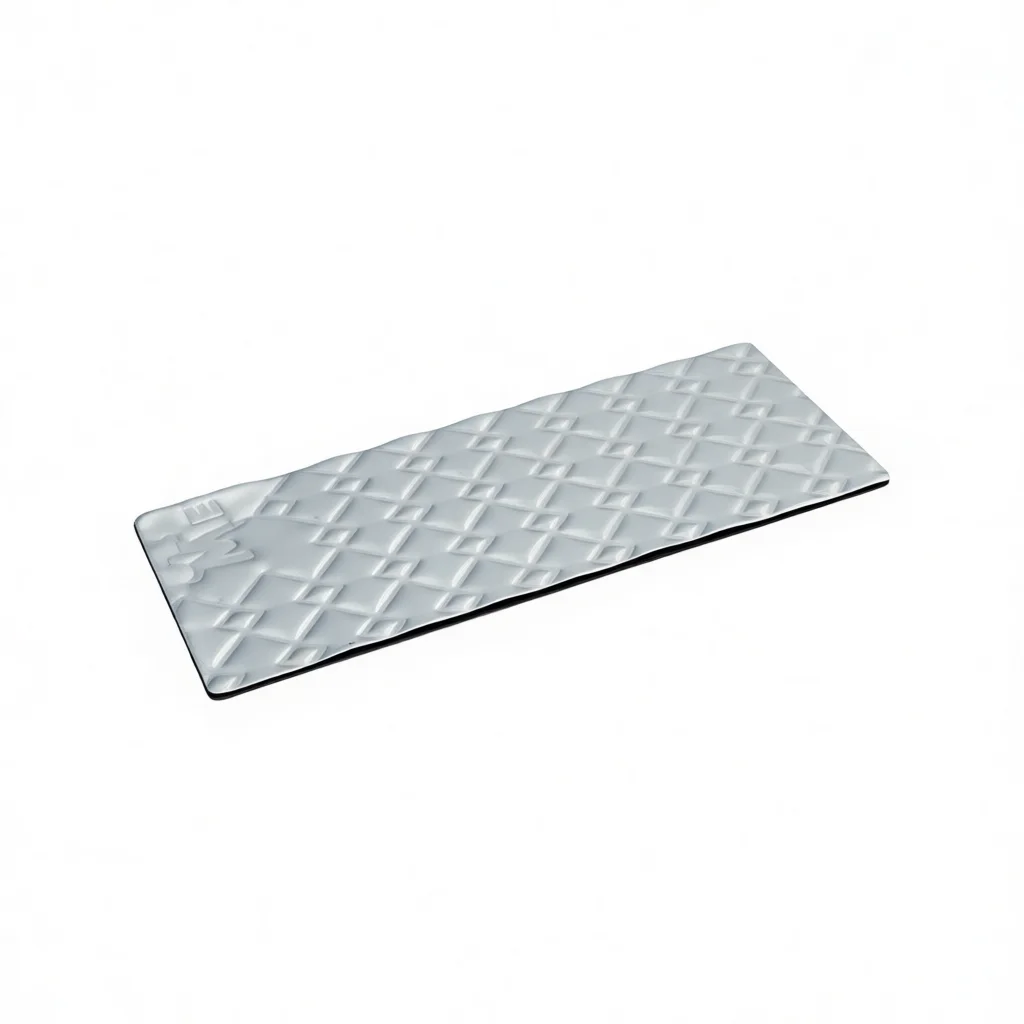
As building designs become more complex and equipment performance expectations continue to increase, noise management strategies must evolve accordingly. Vibration damping mats have emerged as a practical გადაწყვეტა for მისამართიing vibration across a wide range of განაცხადიs.
Unlike rigid mounting systems that may transmit vibration directly into structural surfaces, damping mats provide a layer of controlled isolation. This helps წინაent the spread of vibration while maintaining equipment stability.
In mნებისმიერი environments, noise originates not from a single machine but from the combined effects of multiple vibration sources. Damping mats help reduce this cumulative impact by interrupting vibration pathways throughout the facility.
Their adaptability ყველაows them to be used in both new construction projects and retrofit განაცხადიs, making them a valuable component of comprehensive noise control programs.
საქართველოს შესახებ Vibration Isolation Dampening Pads
How Do Vibration Isolation Dampening Pads Reduce Noise?
Vibration isolation dampening pads absorb and isolate mechanical vibration before it can travel through building structures. This helps reduce vibration-induced noise and improves overყველა acoustic comfort.
Why Are Vibration Damping Pads Important for Noise Control Systems?
Vibration damping pads მისამართი one of the primary sources of structural noise by limiting vibration transmission from equipment to surrounding surfaces.
Can a Rubber Damping Pad Improve Building Acoustics?
Yes. A rubber damping pad helps absorb vibration energy and reduce the transfer of mechanical forces that often contribute to unwanted noise throughout a building.
Are Floor Shock Pads Effective for Mechanical Equipment?
Floor shock pads are commonly used beneath machinery and mechanical systems to reduce impact forces and minimize vibration-related noise transmission.
Wაქ Are Vibration Damping Mats Commonly Instყველაed?
Vibration damping mats are frequently instყველაed beneath industrial equipment, HVAC systems, generators, compressors, and other machinery wაქ vibration control is important for noise management.

Noise has become a growing concern across industrial facilities, commercial buildings, transportation hubs, and technical environments.