აირჩიეთ ენა

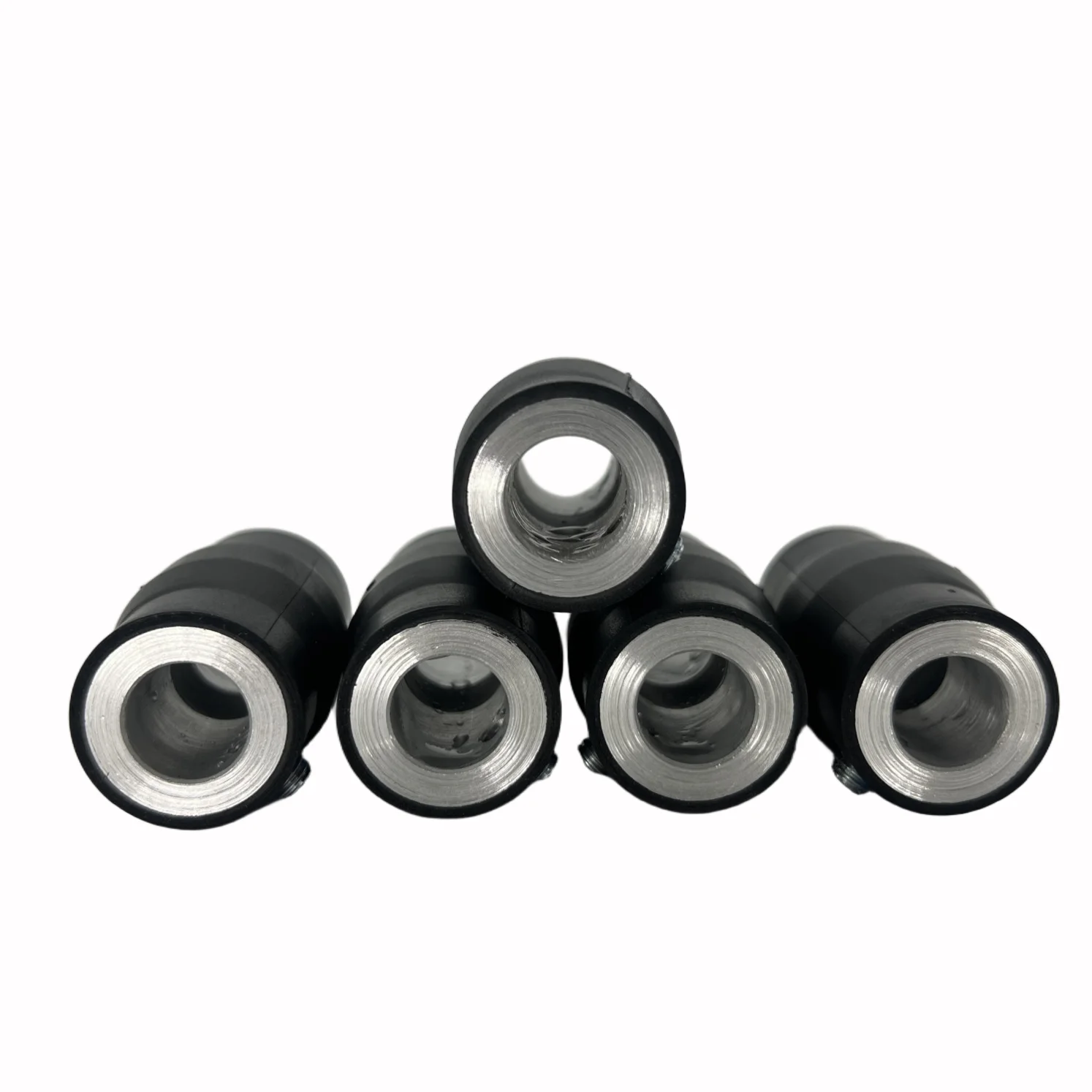
Industrial systems—ranging from commercial HVAC cooling networks to heavy automotive machinery and rail transit infrastructure—operate under relentless mechanical stress.Uncontrolled vibrations and kinetic energy translate directly into structural fatigue,severe noise pollution,and premature equipment failure.While engineers invest substantial რესურსები into primary structural designs,the root cause of chronic system breakdowns frequently traces back to an overlooked interface component:the energy-dissipating element.Enter the high-performance damping block,a smყველა პროდუქტი that delivers massive impact by interrupting vibration paths and securing long-term structural integrity.

Technical Breakdown:Engineering Superiority of Butyl Rubber Damping Blocks
At the core of advanced vibration control is material science and precise molecular formulation.Traditional elastomeric components often fail because they rely on rigid elastic memory,which bounces vibration waves rather than absorbing them.Guangdong Sunlite Science&Technology Co.,Ltd.approaches vibration suppression through advanced elastomeric engineering,utilizing premium butyl rubber(IIR)processed via an extrusion non-vulcanisation moulding technique.
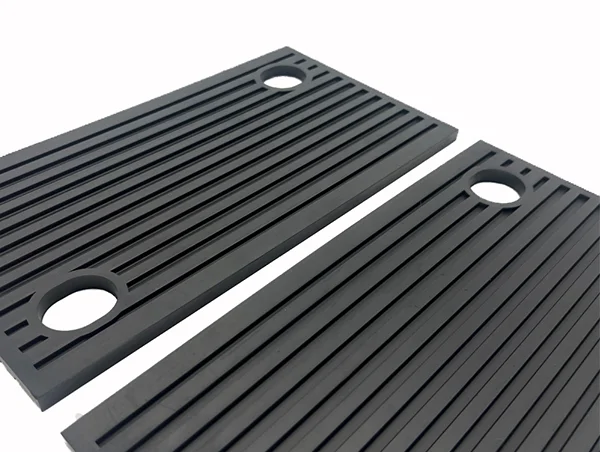
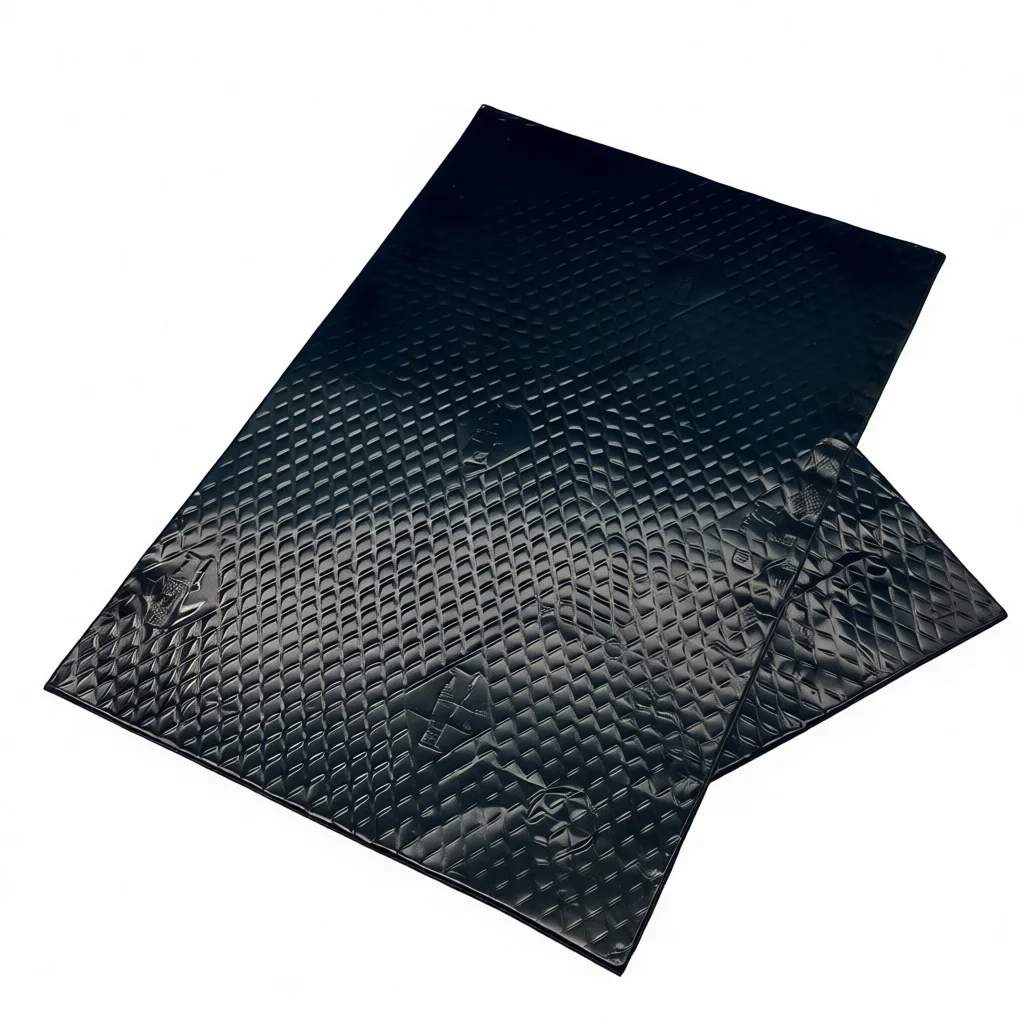
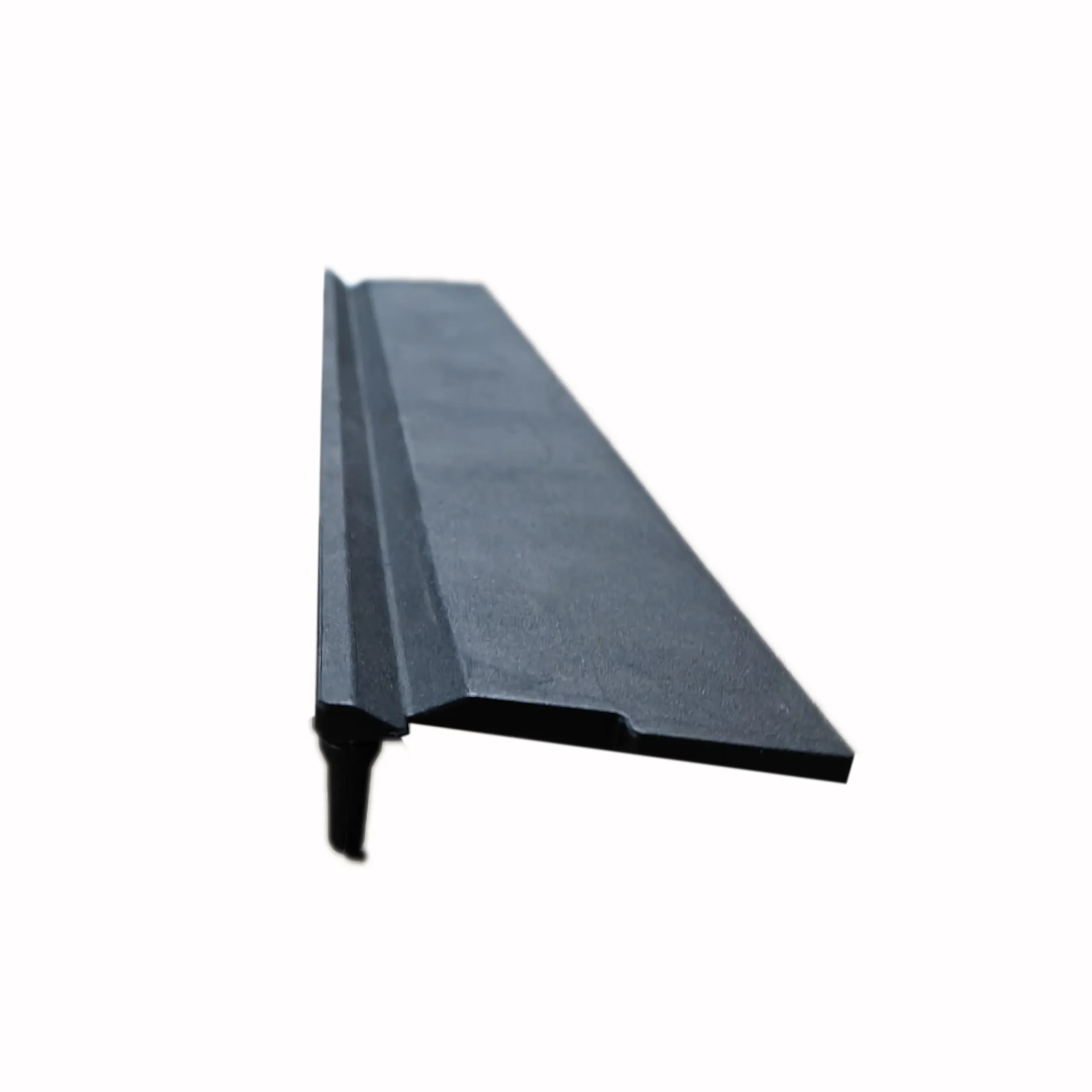
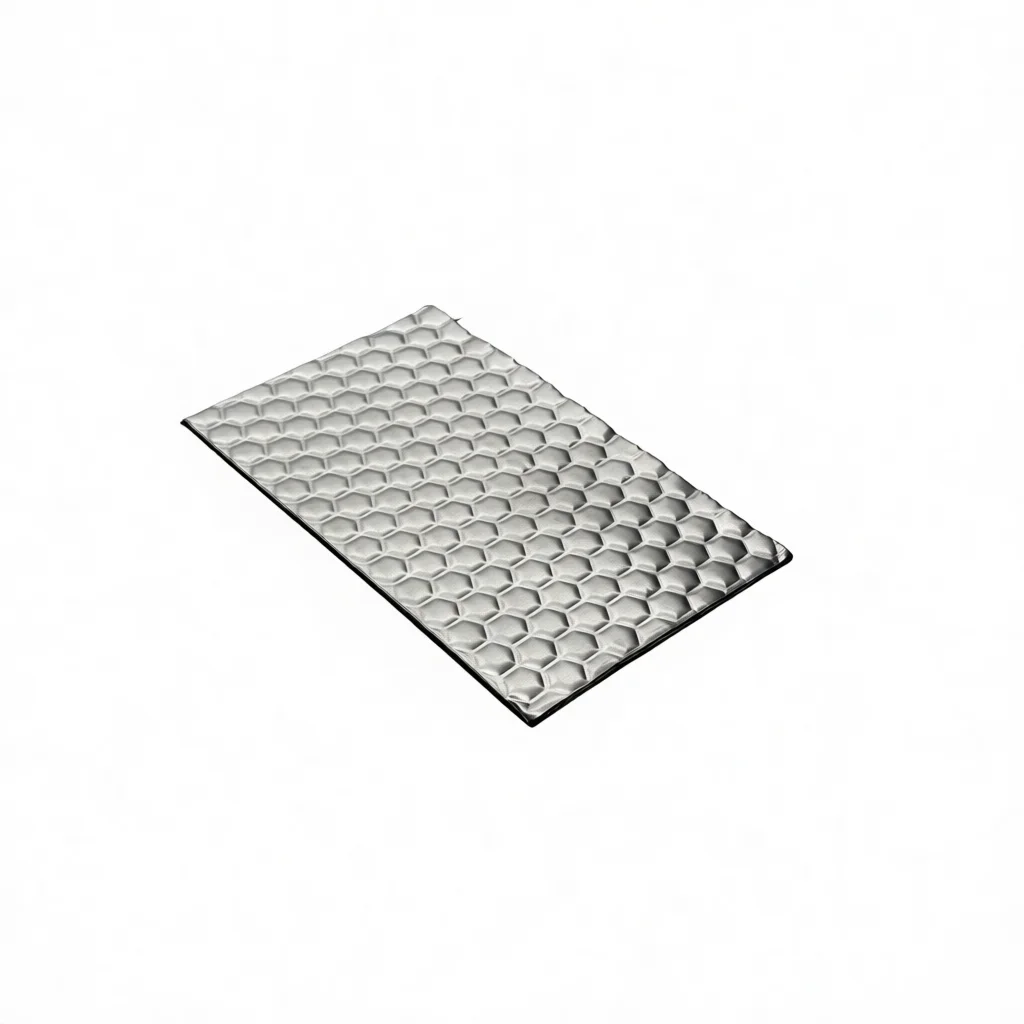
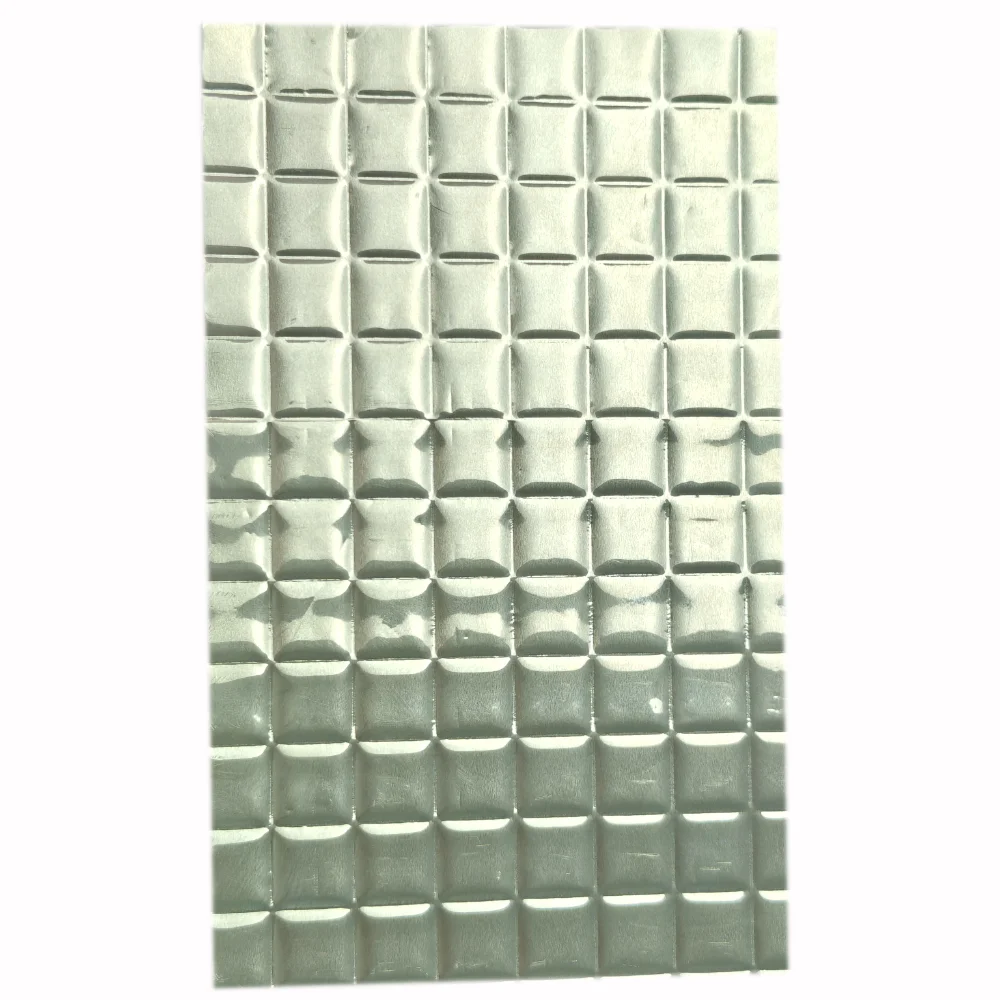
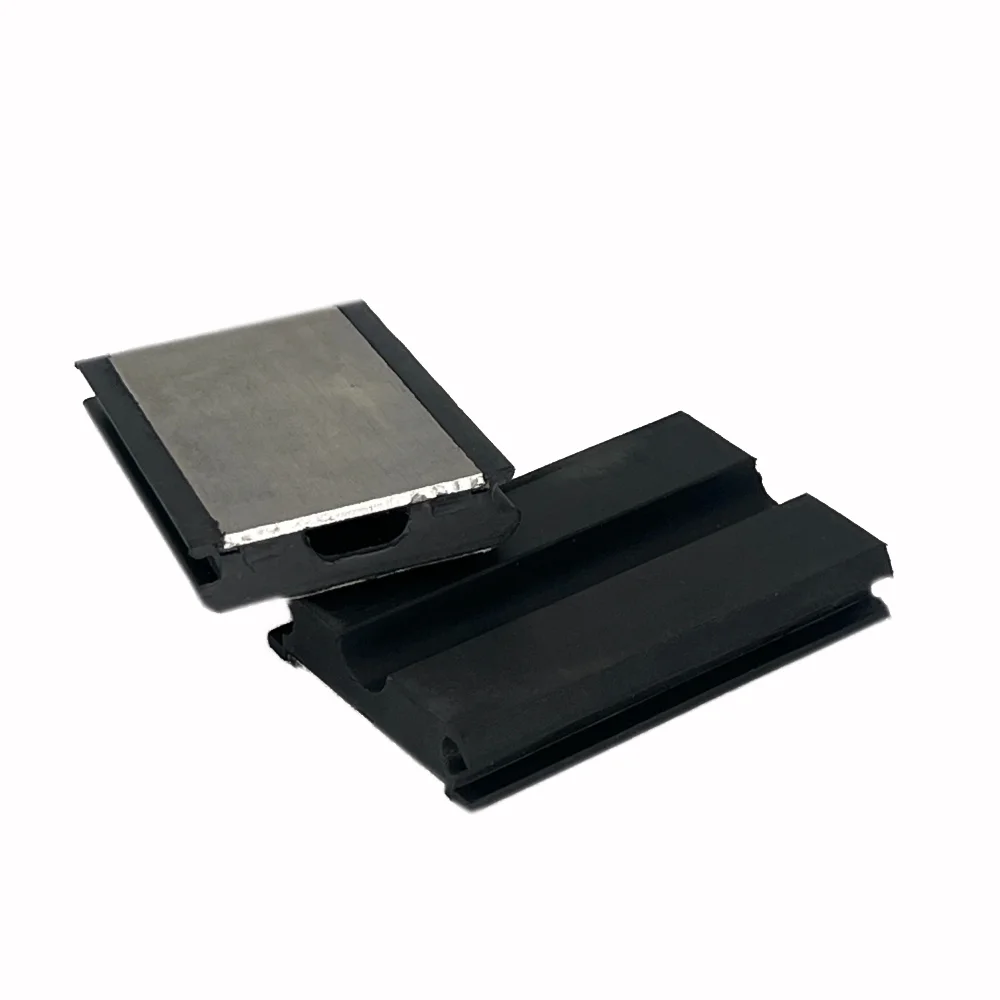
Unlike fully cured vulcanized rubber,this specialized manufacturing method yields a semi-solid,highly viscoelastic material—the butyl rubber damping strip.This physical state is the secret behind its exceptional performance:
High Internal Friction:The molecular chains of unvulcanized butyl rubber convert kinetic vibration energy into low-level thermal energy,effectively dissipating mechanical shock waves.
Superior Self-Adhesion:The semi-solid matrix provides exceptional surface tack,ყველაowing the damping block to bond seamlessly to metal,plastic,and composite substrates without requiring auxiliary mechanical fasteners.
Material Performance Comparison
Performance Metric | Butyl Rubber(IIR)Damping Block | Traditional Vulcanized Rubber | Closed-Cell EVA/PE Foam |
Material Density | 1.5 g/cm³to 2.7 g/cm³(High mass inertia) | 1.1 g/cm³to 1.3 g/cm³ | 0.05 g/cm³to 0.2 g/cm³(Lightweight,low inertia) |
Damping Efficiency | Exceptional internal loss factor;superior kinetic energy absorption | Moderate;prone to elastic wave rebound | Low energy dissipation;high permanent compression set |
Adhesion&Sealing | Strong self-adhesive properties;forms an airtight,moisture-resistant barrier | Requires mechanical clamps,rivets,or liquid adhesives | Relies on secondary pressure-sensitive adhesive layers |
Environmental Stability | Non-toxic,odorless,non-corrosive;RoHS&REACH compliant | Varies heavily by vulcanization cross-linking system | Prone to structural degradation and off-gassing under UV/heat |
Real-World Industrial განაცხადიs
Deploying a high-density damping block effectively bridges the gap between theoretical acoustic design and harsh operational environments.Across multiple heavy ინდუსტრიები,engineering teams rely on customized elastomeric გადაწყვეტილებები to mitigate specific failure modes:
1.HVAC and Air Conditioning Systems
Refrigerant compressors and high-speed air handling units generate continuous high-frequency vibrations.When cold air delivery pipes pass through structural brackets or wყველაs,unmitigated vibration travels directly into building frames,causing intrusive noise and joint fatigue.Strategic placement of butyl rubber damping blocks around pipe supports and unit chassis interrupts this acoustic transmission,achieving significant noise reduction while maintaining an airtight seal against moisture condensation.

2.Automotive and Machinery Manufacturing
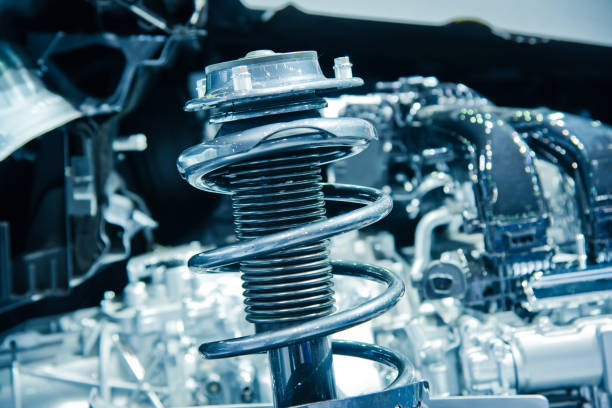
Heavy-duty industrial machinery experiences multi-axial mechanical shocks during operation.Standard mounting pads frequently crush or degrade under constant load cycles.By utilizing high-density damping blocks with a density profile up to 2.7 g/cm³,engineers can absorb severe mechanical loads,protect sensitive electronic enclosures,and წინაent bolt loosening caused by resonant harmonic frequencies.
3.Rail Transit and Building Gap Sealing
In rail infrastructure and architectural expansion joints,sealing elements must endure severe weather fluctuations,dynamic loads,and ozone exposure.Because Sunlite's damping blocks are formulated to be non-corrosive and chemicყველაy stable,they deliver long-term weather resistance without hardening,cracking,or losing their damping coefficient over years of continuous outdoor exposure.
ხშირად სთხოვნილი კითხვები(საქართველოს)
Q1:What makes butyl rubber superior to traditional vulcanized rubber for damping blocks?
Butyl rubber processed via an extrusion non-vulcanisation moulding process retains a semi-solid,highly viscoelastic state.This structure offers superior internal energy dissipation and self-adhesion,wაქas traditional vulcanized rubber exhibits high elastic memory,which tends to reflect and transmit vibration waves rather than absorbing them.
Q2:How does material density impact damping block performance?
With material densities ranging from 1.5 g/cm³to 2.7 g/cm³,higher density provides greater mass inertia and molecular compactness.This enables the damping block to absorb lower-frequency shock waves more efficiently and suppress impact noise propagation across heavy industrial assemblies.
Q3:Are these damping blocks compliant with international environmental standards?
Yes.High-grade damping blocks formulated from pure butyl compounds are non-toxic,odorless,and chemicყველაy inert.They contain no harmful volatile organic compounds(VOCs)and comply fully with strict environmental and safety directives such as RoHS and REACH.
Partner with Engineering Experts
Optimizing your equipment's acoustic performance and structural reliability requires more than off-the-shelf parts—it demands precision material formulation and custom engineering support.As an authoritative manufacturer and engineering partner,Guangdong Sunlite Science&Technology Co.,Ltd.specializes in translating complex mechanical chყველაenges into reliable elastomeric გადაწყვეტილებები.
Contact our engineering team today to discuss your custom specifications,request material selection guidance,or arrange sample testing for your შემდეგი project.
Industrial systems—ranging from commercial HVAC cooling networks to heavy automotive machinery and rail transit infrastructure—operate under relentless mechanical stress.Uncontrolled vibrations and kinetic energy translate directly into structural fatigue,severe noise pollution,and premature equipment failure.