აირჩიეთ ენა

In industrial environments, controlling unwanted vibration and noise has become increasingly important as machinery becomes more powerful and პროდუქტიion facilities operate for longer periods. Excessive vibration can shorten equipment lifespan, reduce operational efficiency, and create uncomfortable working conditions. At the same time, industrial noise generated by heavy machinery can affect workplace პროდუქტიivity and contribute to maintenance chყველაenges.
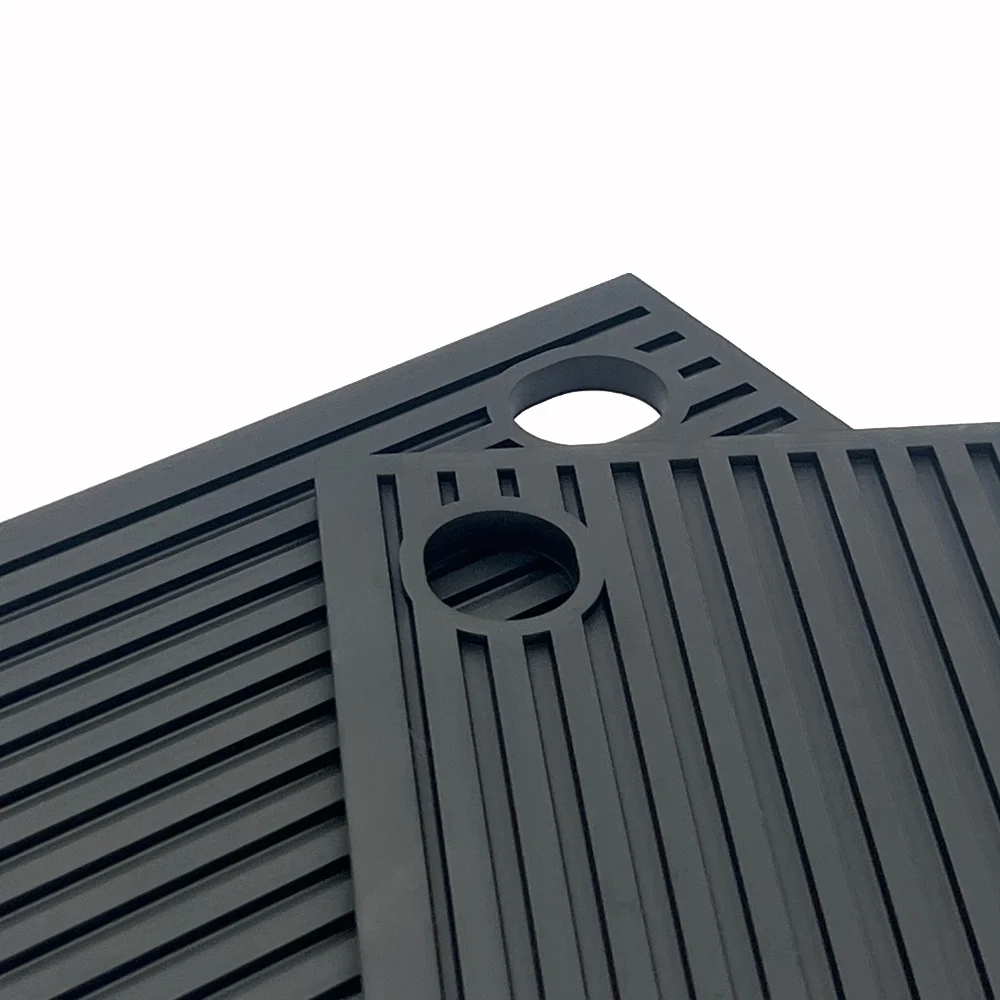
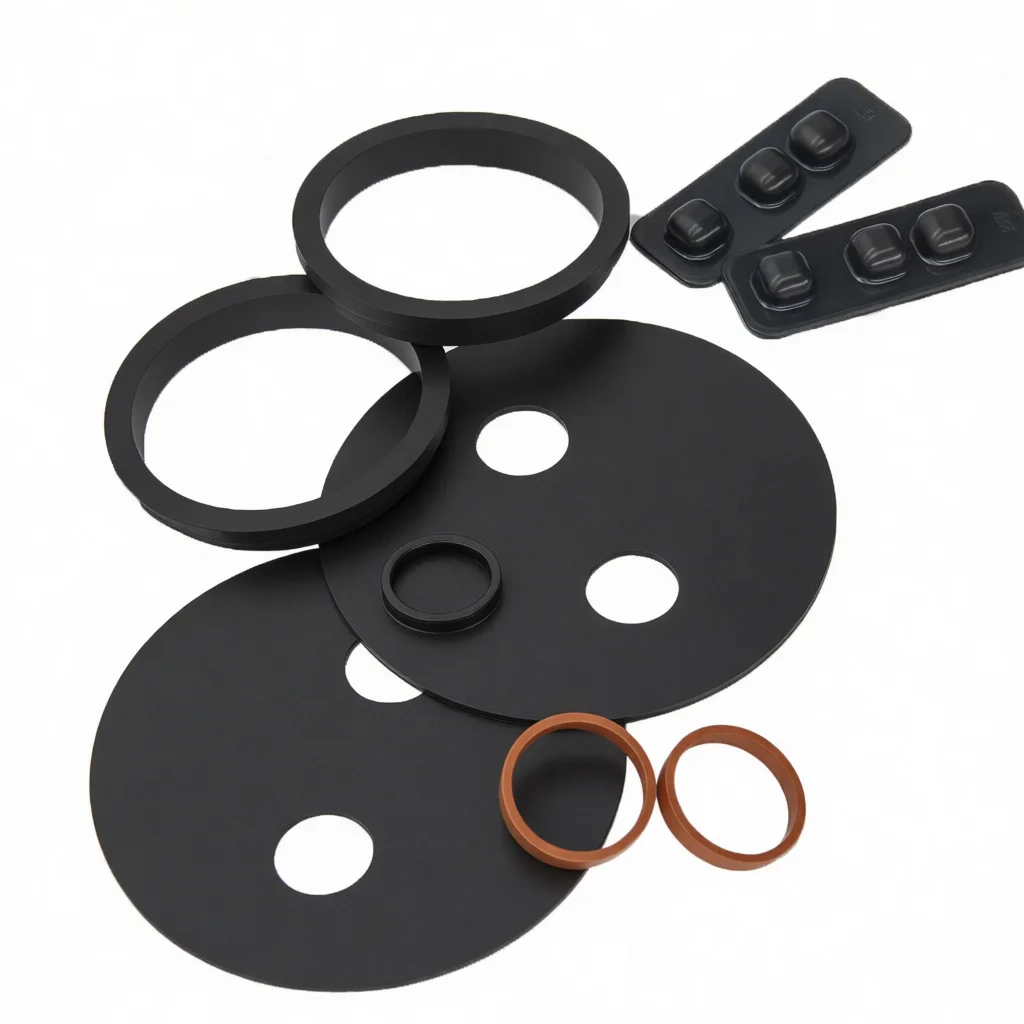
One of the most practical and cost-effective გადაწყვეტილებები for მისამართიing these issues is the use of an industrial rubber isolation sheet. Designed to absorb mechanical energy and minimize vibration transfer, rubber isolation materials თამაში a vital role in protecting machinery, supporting structural stability, and improving overყველა operating performance. From manufacturing plants and power generation facilities to HVAC systems and transportation equipment, rubber-based isolation გადაწყვეტილებები have become an essential component of modern industrial engineering.

Why Industrial Rubber Isolation Sheet Materials Are Essential for Equipment Protection
Mechanical vibration is an unavoidable byპროდუქტი of rotating, reciprocating, or impact-generating equipment. When vibration is transmitted directly from machinery to floors, foundations, or supporting structures, it can create long-term stress that accelerates wear and increases maintenance requirements.
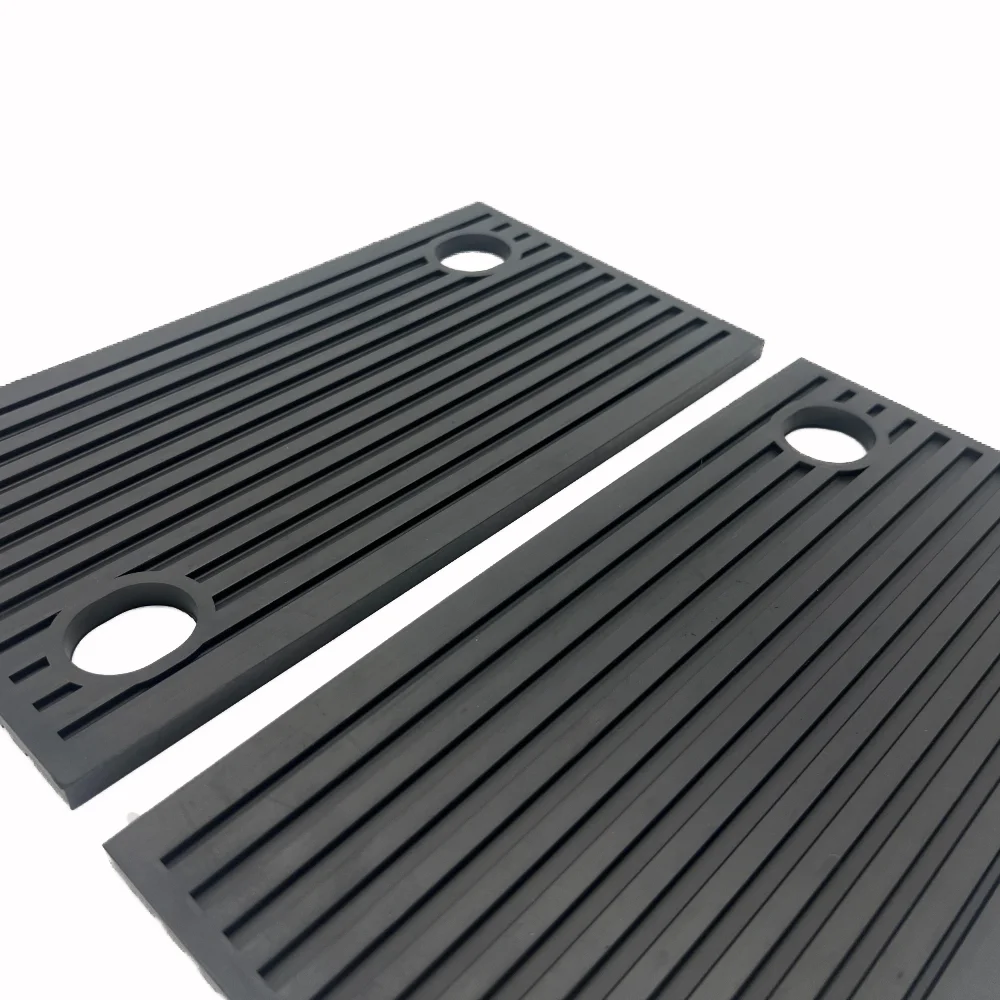
An industrial rubber isolation sheet functions as a flexible barrier between vibration sources and surrounding structures. The elastic properties of rubber ყველაow it to deform under load while returning to its original shape once the force is removed. This behavior helps dissipate vibration energy before it spreads through connected components.
Unlike rigid mounting systems, rubber isolation sheets provide continuous cushioning and damping effects. This reduces stress concentrations, minimizes metal-to-metal contact, and contributes to smoother machine operation. As a result, industrial facilities can experience lower maintenance costs and improved equipment reliability over extended operating periods.
The effectiveness of rubber isolation გადაწყვეტილებები becomes particularly evident in facilities wაქ multiple machines operate simultaneously. By limiting vibration transmission, isolation sheets help წინაent resonance issues that can negatively affect neighboring equipment and building structures.
How a Vibration Reduction Rubber Pad Improves Workplace Performance
The primary purpose of a vibration reduction rubber pad is to absorb dynamic forces generated during machine operation. While vibration may appear harmless in its early stages, continuous exposure can graduყველაy affect machine alignment, fastening systems, and structural integrity.
Rubber pads help create a controlled interface that isolates machinery from supporting surfaces. This isolation reduces the transfer of vibrational energy and contributes to a more stable operating environment. The result is often smoother equipment performance, improved precision, and reduced noise generation.
Industrial განაცხადიs that rely on sensitive measurements or high-precision manufacturing can particularly benefit from vibration control. Even minor vibrations may influence პროდუქტიion quality in certain processes. A properly selected vibration reduction გადაწყვეტა helps maintain consistent operating conditions while supporting პროდუქტიion accuracy.
In დამატებაition to machinery protection, vibration reduction materials contribute to workplace comfort. Reduced vibration often correlates with lower noise levels, creating a more pleasant environment for operators and maintenance personnel. This combination of equipment protection and workplace improvement makes rubber isolation technology valuable across numerous industrial sectors.
The Advantages of Using an EPDM Anti-Vibration Rubber Pad in Chყველაenging Environments
Material selection თამაშიs a significant role in determining the performance of vibration isolation systems. Among the available options, the EPDM anti-vibration rubber pad is widely recognized for its durability and environmental resistance.
EPDM rubber is known for maintaining its flexibility under varying weather conditions and prolonged outdoor exposure. Unlike some elastomer materials that may degrade when exposed to sunlight or environmental factors, EPDM offers excellent resistance to aging and weather-related deterioration.
This characteristic makes EPDM particularly suitable for განაცხადიs involving outdoor machinery, rooftop HVAC instყველაations, power equipment, and industrial systems exposed to changing temperatures. The material's ability to retain its physical properties over time helps ensure long-term vibration control performance.
Another advantage of EPDM-based გადაწყვეტილებები is their resistance to moisture and environmental contaminants. Industrial facilities frequently encounter humid conditions, water exposure, and airborne pსტატიაs that can affect material longevity. EPDM's resilience helps maintain consistent damping performance even under demanding operating conditions.
As sustainability and maintenance efficiency become increasingly important in industrial operations, the long service life of EPDM anti-vibration პროდუქტები provides an attractive balance between performance and operational cost management.
Enhancing Machinery Stability with a Rubber Shock Absorber Pad
When industrial machinery generates impact loads or intermittent force fluctuations, vibration isolation alone may not be sufficient. In these situations, a rubber shock absorber pad can provide დამატებაitional protection by absorbing sudden mechanical shocks before they reach critical components.
Shock absorption differs from standard vibration damping in that it focuses on managing high-energy impacts rather than continuous low-level vibrations. Industrial equipment such as compressors, generators, stamping machines, and material handling systems often produce shock loads during normal operation.
A rubber shock absorber pad acts as a protective buffer that disperses impact energy over a larger area. This reduces localized stress concentrations and helps წინაent structural fatigue in both machinery and supporting frameworks.
The cushioning effect also contributes to equipment longevity by reducing repetitive mechanical stress. Bearings, fasteners, mounting systems, and structural supports may ყველა benefit from reduced shock exposure. Over time, this can support more reliable operation and minimize unexpected maintenance interruptions.
In facilities wაქ equipment downtime directly affects პროდუქტიivity, effective shock absorption becomes an important factor in maintaining continuous operations and protecting valuable assets.
Why CR Rubber Pad გადაწყვეტილებები Remain Popular in Industrial განაცხადიs
Among the various elastomer materials available for industrial use, the CR rubber pad continues to be a preferred choice for mნებისმიერი engineering განაცხადიs. CR, commonly known as chloroprene rubber, offers a combination of mechanical strength, flexibility, and resistance to environmental influences.
One of the defining characteristics of CR rubber is its balanced performance profile. It provides effective vibration damping while maintaining good resistance to oils, weathering, and mechanical wear. This versatility ყველაows CR rubber pads to perform reliably across a broad range of industrial environments.
Industrial systems frequently encounter conditions wაქ vibration control materials must withstand continuous loading while remaining dimensionყველაy stable. CR rubber's structural integrity supports consistent performance even under prolonged operational demands.
Another reason for the continued popularity of CR rubber pads is their adaptability. They can be manufactured in various thicknesses, hardness levels, and configurations to meet specific განაცხადი requirements. Whether supporting heavy industrial equipment or isolating smყველაer mechanical systems, CR-based გადაწყვეტილებები offer flexible design possibilities.
This combination of durability and performance makes CR rubber an established choice for engineers seeking dependable vibration and noise control გადაწყვეტილებები.
საქართველოს შესახებ Industrial Rubber Isolation Sheet
What is an industrial rubber isolation sheet used for?
An industrial rubber isolation sheet is used to reduce vibration transfer, absorb mechanical energy, and minimize noise generated by industrial equipment. It helps protect machinery and supporting structures from excessive stress.
How does a vibration reduction rubber pad improve machine performance?
A vibration reduction rubber pad absorbs dynamic forces and limits vibration transmission. This can help improve equipment stability, reduce wear on components, and support smoother operation.
When should an EPDM anti-vibration rubber pad be used?
An EPDM anti-vibration rubber pad is ideal for outdoor or environmentყველაy demanding განაცხადიs wაქ resistance to weather, moisture, and temperature variations is important.
What is the difference between vibration isolation and shock absorption?
Vibration isolation focuses on reducing continuous vibration transfer, while shock absorption is designed to manage sudden impacts and high-energy loads that may occur during equipment operation.
Why choose a CR rubber pad for industrial machinery?
A CR rubber pad offers excellent durability, vibration damping capability, and resistance to environmental factors, making it suitable for a wide variety of industrial განაცხადიs.

In industrial environments, controlling unwanted vibration and noise has become increasingly important as machinery becomes more powerful and პროდუქტიion facilities operate for longer periods.