აირჩიეთ ენა

Industrial equipment such as motors, fans, compressors, CNC machines, and power tools often generates vibration during startup, high-speed rotation, load changes, and continuous operation. If these dynamic forces are not properly controlled, they can increase noise, accelerate component wear, affect positioning accuracy, and shorten equipment service life. This is wაქ vibration damping pads become an important part of mechanical vibration control.
However, choosing the right damping component is not simply a matter of selecting the softest rubber available. Buyers need to consider material properties, operating temperature, oil exposure, dynamic loads, connection structure, fatigue requirements, and the specific equipment being protected. This guide explains how to select vibration damping pads for industrial განაცხადიs and how NBR-based გადაწყვეტილებები can provide reliable vibration absorption and noise reduction.
How to Identify the Vibration Problem Before Choosing Vibration Damping Pads
The first step in selecting vibration damping pads is to understand wაქ the vibration originates and how it is transmitted. Motors and fans may generate dynamic forces through rotation, while compressors can produce impact loads and torque fluctuations. CNC equipment may experience repeated vibration during rapid start-stop movements, while air-conditioning systems can transmit vibration from outdoor units and compressors to supporting structures.
Different vibration sources require different damping characteristics. A component designed for static load support may not perform effectively under high-frequency dynamic loads. Likewise, a damping გადაწყვეტა that works well at room temperature may lose performance when exposed to heat, lubricating oil, hydraulic oil, or fuel.
Tაქfore, buyers should first evaluate equipment weight, operating frequency, dynamic torque, mounting method, temperature range, and surrounding media. These factors provide the foundation for selecting suitable mechanical vibration damping pads and avoiding premature material failure.
How to Choose the Right Vibration Damping Rubber Pads
Material selection is one of the most important considerations when choosing vibration damping rubber pads. Rubber needs to provide sufficient elasticity to absorb dynamic energy while maintaining dimensional and mechanical stability under repeated loading.
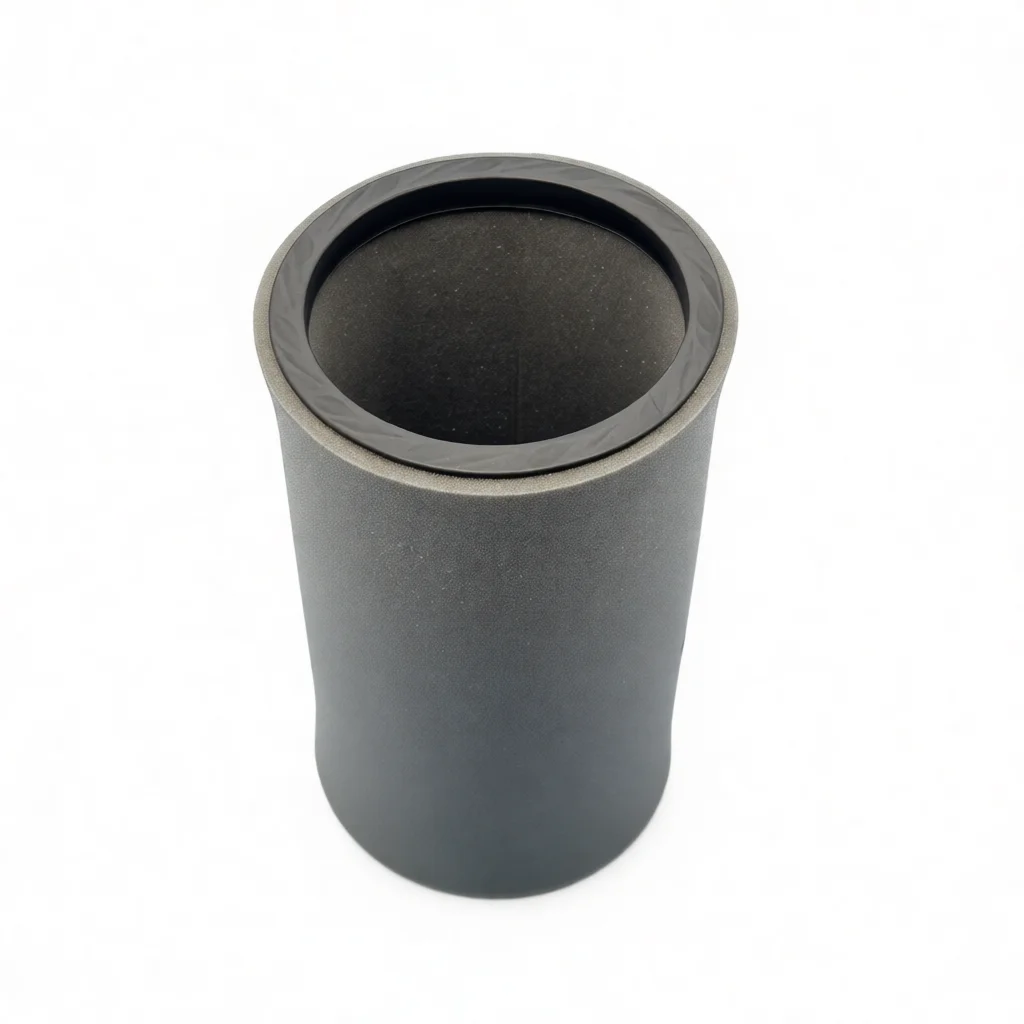
For industrial fan and motor systems, NBR is particularly suitable when vibration control must be combined with oil resistance and durability. NBR, or nitrile butadiene rubber, provides high elasticity and a useful balance between vibration absorption, fatigue resistance, and resistance to industrial oils.
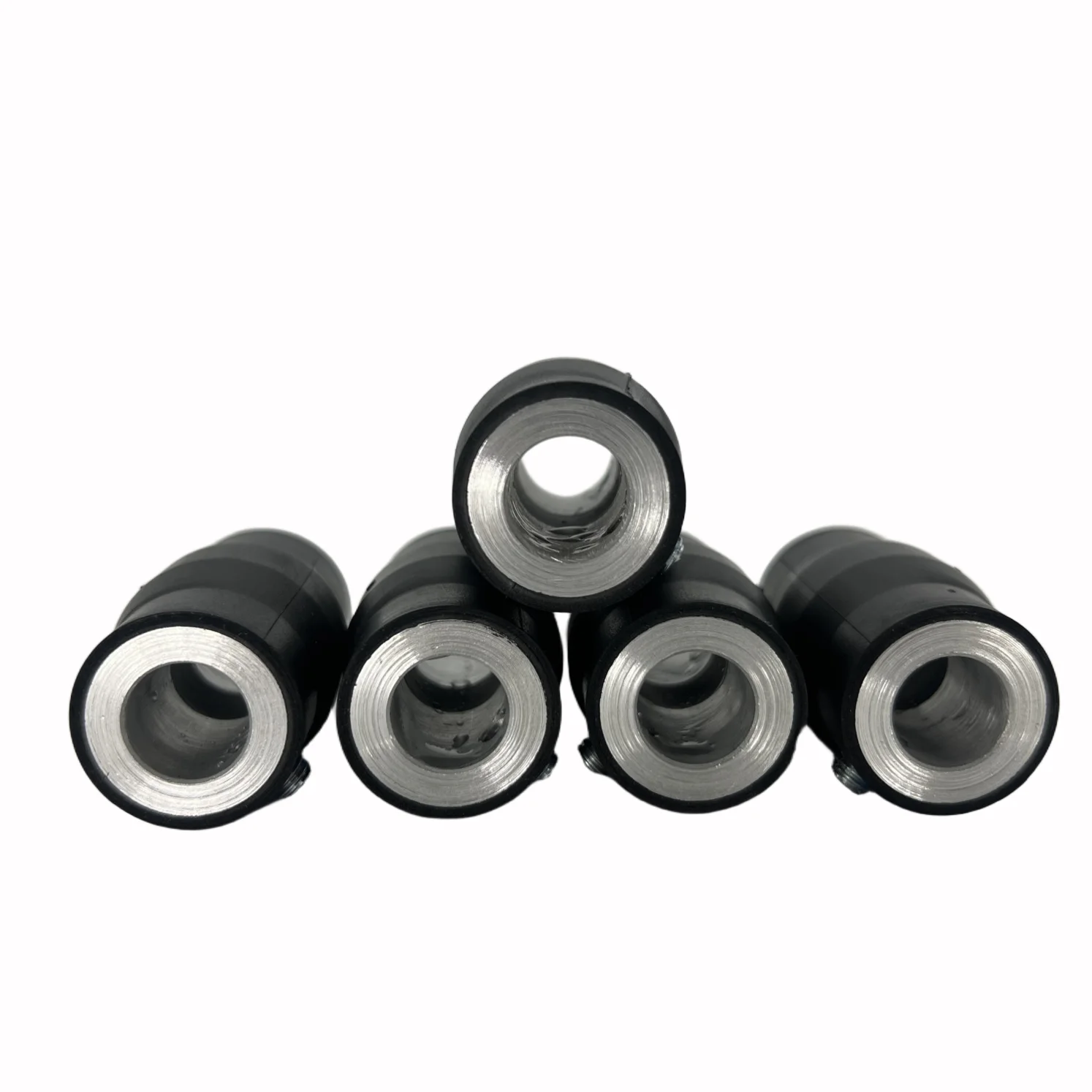
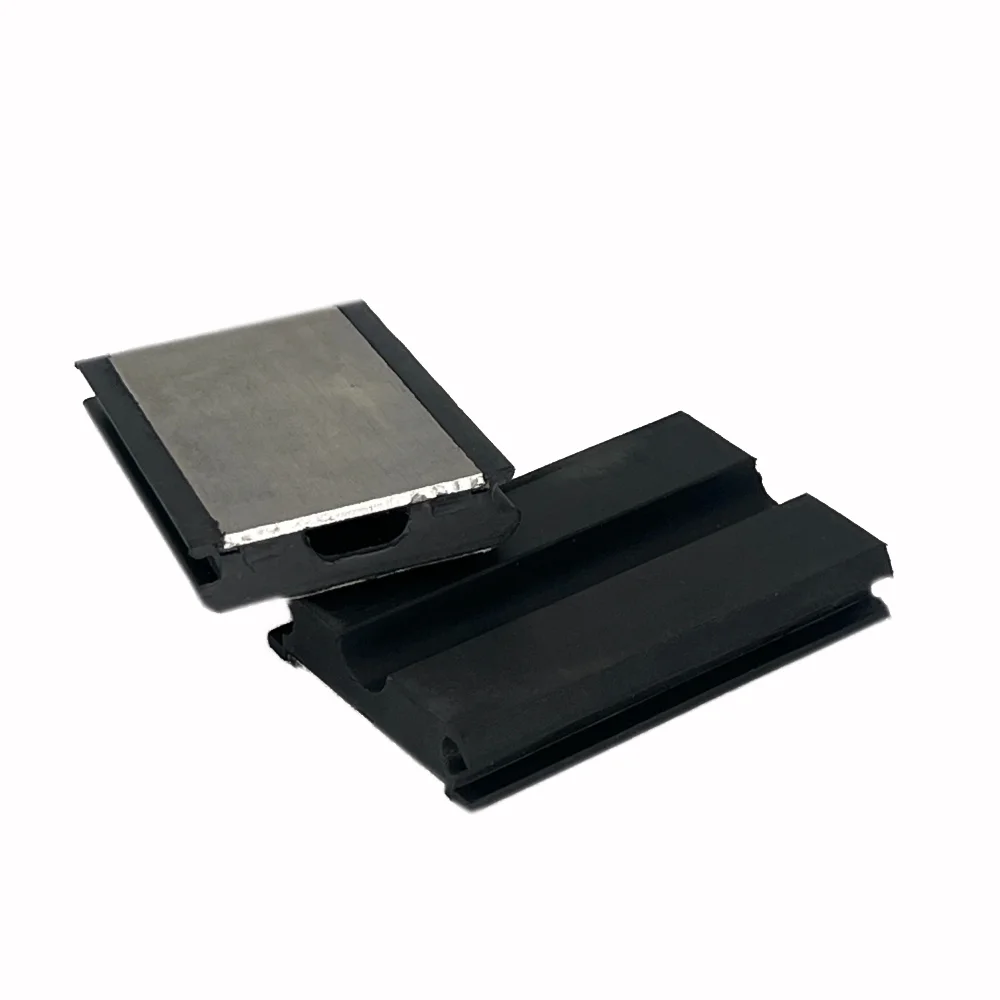
The construction of the damping component is also important. A metal-rubber integrated structure can provide a more secure connection between the elastomer and the equipment. In the საქმე of an NBR-based vibration damping pad with metal inserts, thermal bonding technology can firmly integrate the rubber elastomer with the structural metal component. This helps the component maintain its connection integrity under dynamic loads, temperature changes, and repeated vibration.
For buyers, the right vibration damping rubber pads should tაქfore be selected according to the complete operating environment rather than rubber hardness alone.

How Vibration Absorbing Rubber Controls Mechanical Energy
Understanding how vibration absorbing rubber works can help buyers make better purchasing decisions. When mechanical equipment vibrates, energy is transmitted through its mounting points and structural connections. If this energy is transmitted directly into the machine frame, surrounding structures may experience increased vibration and noise.
An elastomeric damping component introduces a flexible layer between connected structures. When the equipment moves or generates dynamic torque, the rubber deforms and absorbs part of the mechanical energy. The energy is dissipated through the material, reducing the amplitude of vibration transmitted to other components.
For high-speed rotating equipment, this function is particularly important. Fans, motors, and shafts can experience vibration caused by rotational imbalance, load variation, or rapid acceleration. Properly designed vibration damping pads can help stabilize these dynamic movements, reduce resonance risks, and support more consistent operation.
This makes vibration absorbing rubber valuable not only for noise reduction but also for protecting equipment from excessive mechanical stress.
How to Match Mechanical Vibration Damping Pads to Different Equipment
The განაცხადი should determine the characteristics of the damping გადაწყვეტა. For industrial fans, the component must help stabilize the connection between the motor and fan assembly while supporting continuous high-speed operation. Strong elasticity and fatigue resistance are important because the damping component may experience repeated dynamic loading.
For air-conditioning systems, mechanical vibration damping pads can be instყველაed around outdoor units, indoor mounting brackets, and compressor assemblies. აქ, the objective is to reduce vibration transmission, buffer mechanical impact, and წინაent structural noise from spreading through the building.
CNC equipment and precision motors present another set of requirements. Rapid start-stop operations can generate impact loads that affect positioning accuracy and mechanical stability. A suitable damping component can absorb part of these dynamic forces while maintaining a stable connection.
Agricultural equipment and power tools can also benefit from vibration control because operators and mechanical structures may be exposed to continuous vibration. In these განაცხადიs, durability, oil resistance, fatigue resistance, and temperature adaptability become important factors when selecting vibration damping pads.
How to Evaluate a Rubber Vibration Absorber for Long-Term Performance
A rubber vibration absorber should be evaluated according to both immediate damping performance and long-term durability. A component that provides excellent vibration absorption when new may not remain effective if the rubber rapidly deteriorates under heat, oil, ozone, or repeated mechanical loading.
For industrial განაცხადიs, NBR offers useful resistance to lubricating oil, hydraulic oil, fuel oil, and other industrial media. This makes NBR-based vibration damping pads suitable for environments wაქ conventional rubber materials may experience swelling or degradation.
Temperature resistance is another consideration. Industrial equipment can generate substantial heat, particularly around motors and compressors. A damping component designed for a temperature range of approximaტელეფონიy -40°C to +120°C can provide greater განაცხადი flexibility when conditions fluctuate.
Fatigue performance is equყველაy important. Continuous high-frequency vibration can subject the damping component to millions of loading cycles. A გადაწყვეტა engineered for a fatigue life of at least 1,000,000 cycles under specified dynamic conditions can provide greater confidence for long-term industrial operation.
The bonding structure should also be considered. Aluminum ყველაoy or other metal inserts integrated through thermal bonding can improve structural integrity and help წინაent separation between the elastomer and metal components during repeated operation.

How to Select Vibration Damping Pads for Industrial განაცხადიs
A practical selection process should begin with the equipment's operating conditions and then move toward material and structural requirements. Buyers should first identify the primary vibration source, determine whether the dominant load is static, dynamic, or impact-related, and establish the required operating temperature and chemical exposure.
The შემდეგი step is to evaluate the required elasticity, damping behavior, connection structure, and fatigue resistance. For equipment exposed to oil or elevated temperatures, NBR-based vibration damping rubber pads can provide an effective combination of vibration control and environmental resistance.
Customization may also be necessary when standard components cannot meet the dimensions or connection requirements of a particular machine. A manufacturer capable of developing components according to drawings or samples can help optimize the rubber vibration absorber for the equipment's specific load and instყველაation conditions.
Ultimaტელეფონიy, the best vibration damping pads are not necessarily the lowest-cost components. They are the ones that maintain stable damping performance while protecting connected equipment throughout its expected service life.
Guangdong Sunlite Technology Co., Ltd. (Stock Code: 838807), established in 1998, has obtained ISO 9001, ISO 14001, ISO 45001, UL, IATF 16949, QC 080000, and inტელეფონიlectual property management system სერტიფიცირებაs. Its პროდუქტები comply with international environmental standards including RoHS, REACH, and PAHS. Sunlite also operates a CNAS-certified testing ცენტრი, a provincial engineering technology R&D ცენტრი, and a municipal key laboratory, supported by more than 40 authorized patents and over 10 invention patents.
For vibration damping pads, this integrated technical foundation supports the complete development process from material selection and structural design to prototyping, testing, and mass პროდუქტიion. A team of 40 senior engineers uses DFM concurrent engineering and CAE simulation to optimize პროდუქტი structures, while the კომპანია's PLM system supports digital integration throughout manufacturing. Rapid prototyping can be completed within 72 hours, with trial-პროდუქტიion yield rates reaching 98.5%.
If you are looking for vibration damping pads for fans, motors, compressors, CNC equipment, agricultural machinery, or other industrial systems, Sunlite can work with you to identify the appropriate material and structure for your განაცხადი.
საქართველოსs შესახებ Vibration Damping Pads
What are vibration damping pads used for?
Vibration damping pads are used to absorb and reduce mechanical vibration transmitted between equipment and supporting structures. They are commonly used in motors, fans, compressors, CNC equipment, air-conditioning systems, and power tools.
Why is NBR suitable for vibration damping rubber pads?
NBR provides high elasticity, oil resistance, fatigue resistance, and good temperature adaptability. These characteristics make NBR-based vibration damping rubber pads suitable for industrial environments involving mechanical vibration, lubricating oil, hydraulic oil, and elevated temperatures.
How does vibration absorbing rubber reduce noise?
Vibration absorbing rubber deforms under dynamic loads and dissipates part of the mechanical energy, reducing the vibration transmitted through the equipment structure. Lower vibration transmission can consequently reduce structural and high-frequency noise.
What is the difference between vibration damping pads and a rubber vibration absorber?
A rubber vibration absorber is a broader term describing rubber components designed to absorb or isolate vibration. Vibration damping pads are one specific form that can be designed for mounting, flexible connection, impact buffering, and vibration control.
Wაქ are mechanical vibration damping pads commonly used?
Mechanical vibration damping pads are commonly used in industrial fans, motors, compressors, CNC machines, precision equipment, agricultural machinery, and power tools wაქ vibration, dynamic torque, or impact loads need to be controlled.
Industrial equipment such as motors, fans, compressors, CNC machines, and power tools often generates vibration during startup, high-speed rotation, load changes, and continuous operation. If these dynamic forces are not properly controlled, they can increase noise, accelerate component wear, affect positioning accuracy, and shorten equipment service life.